Why Retaining a Residential Electrician Is Critical for Home Protection!
Hiring a residential electrical contractor is crucial for guaranteeing home safety. Many homeowners downplay the complexities of electrical systems. DIY efforts can lead to serious hazards, such as power-related blazes or electrical injuries. Licensed electrical professionals bring vital knowledge, guaranteeing adherence to local regulations and safety standards. The consequences of neglecting correct electrical installation can be dire. Understanding the significance of expert assistance can create a substantial difference in home security. What particular advantages can these experts provide?
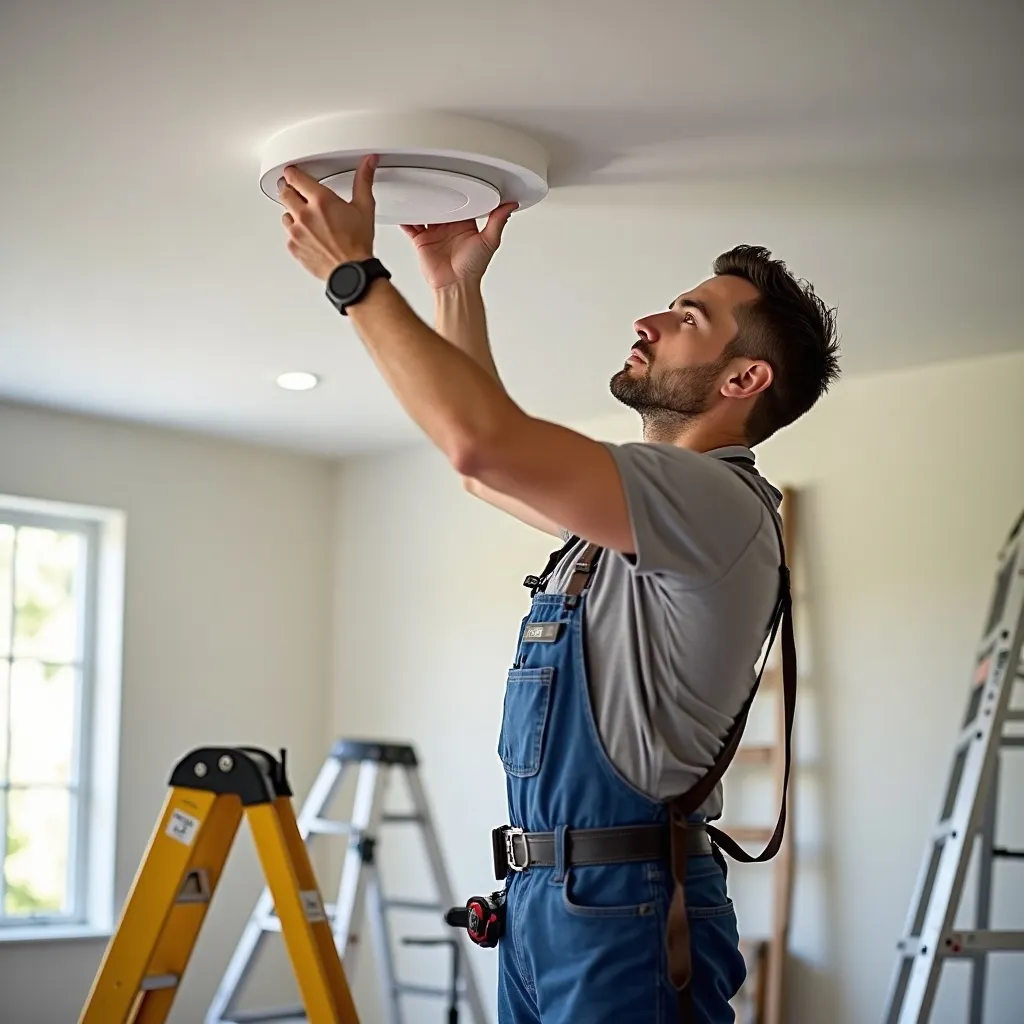
Comprehending the Hazards of Do-It-Yourself Electrical Projects
Engaging in DIY electrical work can seem attractive for homeowners looking to save money, but it poses considerable risks. Many individuals underestimate the intricacy of electrical systems, often resulting in faulty setups or corrections. This lack of expertise can cause electrical failures, fires, or electrocutions, endangering both the homeowner and their property.
In addition, DIY activities might not satisfy local building codes, possibly leading to legal complications or costly fines.
Moreover, without the appropriate equipment and safety gear, house owners may expose themselves to hazardous situations. Even seemingly simple tasks, such as swapping out a light fixture, can have unforeseen complications if not completed correctly.
There is also concern about the risk of prolonged deterioration to the home's electrical system.
The Proficiency That Safeguards Your Home Safe
Concerning guaranteeing home security, a residential electrician's knowledge is vital.
They conduct thorough safety inspections, ensuring all systems are operating correctly and comply with regulatory standards.
Additionally, their understanding of code adherence and skilled troubleshooting skills avoid potential risks before they turn into serious problems.
Complete Safety Assessments
A detailed safety inspection conducted by a qualified residential electrician is vital for keeping a secure home space. During this process, electricians examine wiring, sockets, and electrical panels to uncover potential dangers.
They check for aged equipment that may introduce fire risks or result in electrical failures. Additionally, they analyze the grounding and bonding systems to guarantee they meet safety standards.
When electricians recognize problems like overloaded circuits or faulty wiring, they give homeowners practical recommendations to reduce risks. These inspections not only improve safety but also boost energy efficiency, potentially lowering utility bills.
In the final analysis, routine safety inspections safeguard both the residence and its residents, assuring a reliable electrical system that performs reliably.
Code Compliance Assurance
Code compliance assurance acts as an important factor in guaranteeing the safety and reliability of residential electrical systems.
Experienced electricians are proficient in local, state, and national electrical codes, which are framed to offer safeguards to homeowners from possible dangers. These codes address various aspects, such as wiring methods, circuit protection, and grounding techniques, all needed for safe operation.
By adhering to these standards, electrical professionals reduce the risk of fire hazards, electrical shock, and equipment failure. Additionally, code compliance is often a mandate for homeowner's insurance and can affect home value.
Residents who invest in a trained electrical expert guarantee that their electrical installations meet necessary standards, affording mental comfort and a safer living environment.
Expert Troubleshooting Abilities
Electrical systems may face challenges despite adhering to safety codes. When problems surface, expert troubleshooting skills become necessary.
Residential electricians possess specialized training and experience that enable them to identify problems quickly, often prior to becoming serious hazards. Their ability to analyze intricate electrical networks and diagnose issues ensures that homeowners are not uninformed—literally and figuratively.
These trained specialists leverage modern equipment and approaches to locate defects, whether it's a dimming bulb or a tripped breaker. By resolving these concerns without delay, they not only bring functionality back but also increase the overall safety of the home.
Ultimately, turning to a professional electrician for troubleshooting serves as a proactive step toward safeguarding both residents and property.
Selecting the Ideal Residential Electrician
Choosing the best home electrician necessitates close examination of various essential elements.
Home buyers should authenticate credentials and authorizations to ensure regulatory adherence with local regulations.
Also, evaluate the electrician's qualifications and abilities, and obtain detailed quotes for clarity.
These steps facilitate an deliberate selection that highlights quality and safety.
Verify Qualifications And Licenses
When hiring a residential electrician, it is crucial to confirm their credentials and licenses to ensure adherence with local regulations and industry standards. This step guarantees that the electrician has undergone the necessary training and has the knowledge required for safe and efficient electrical work.
Verifying valid credentials protects homeowners from potential liabilities and ensures that the electrician follows safety protocols. Additionally, verifying qualifications can help identify professionals who stay updated with the latest industry practices and technologies.
Property owners should ask for insurance documentation and confirm that the electrician holds any required certifications. Taking these precautions not only enhances safety but also fosters trust in the excellence and dependability of the electrical services rendered.
Review Track Record And Expertise
Evaluating the experience and expertise of a home electrical contractor is essential for maintaining excellent work standards. A seasoned electrician typically brings a deep expertise gained through years of direct practical experience. This experience helps them to handle multiple electrical setups and diagnose and fix problems successfully.
Potential clients should inquire about the electrician's specific areas of expertise, such as residential wiring, lighting installations, or electrical repairs. Furthermore, learning about the kinds of projects they have completed in the past can offer understanding of their capabilities.
Feedback and testimonials from earlier clients can also provide valuable resources in measuring trustworthiness and service excellence. By thoroughly evaluating an electrician's knowledge and competence, homeowners can make informed decisions that highlight safety and efficiency.
Ask for Thorough Pricing
In what ways can homeowners ensure they get fair pricing and excellent workmanship when engaging a home electrical contractor? One proven approach involves obtaining comprehensive quotes from several electrical professionals.
This method not only helps with evaluating costs but also provides insights into the scope of work involved. Homeowners should verify that estimates include labor, materials, and any additional fees. A clear estimate demonstrates the electrician's professionalism and openness to discussing details.
Additionally, it allows homeowners to ask about any unclear charges, cultivating a enhanced insight of the project. By obtaining diverse estimates, homeowners can establish sound decisions, accordingly guaranteeing they hire a qualified residential electrician who accommodates their needs while adhering to safety standards.
Major Electrical Problems Best Managed by Specialists
When electrical problems arise in a home, it's essential to recognize which issues require professional expertise. Typical electrical issues that should be entrusted to qualified electrical professionals include frequent circuit breaker trips, which may suggest overloads or faulty wiring.
Flickering lights can signal greater issues, such as poor connections or aging electrical infrastructure. Additionally, outlets that feel warm or emit a scorched odor pose significant fire hazards and must be examined immediately.
Another concern is the setup of new explore now electrical systems or fixtures, which often requires adherence to local codes and safety standards. Homeowners should also obtain professional help for any electrical tasks involving the main service panel, as mistakes in this area can lead to hazardous conditions.
Why Meeting Standards Is Important for Security
Making sure that electrical work adheres to code compliance is essential in maintaining safety within residential environments. Electrical codes are put in place to decrease hazards such as fires, electrocution, and property damage. These regulations are created based on extensive investigation and industry standards, reflecting the latest safety practices.
When homeowners contract a residential electrician, they reap rewards from the professional's expertise in supervising these codes, making sure all installations and repairs are compliant.
Non-compliance can result in dangerous situations, including defective electrical systems and insufficient electrical grounding, which may not only pose risks to inhabitants but also affect policy protection. Additionally, properties that do not meet code standards can face penalties or complications during real estate transactions.
In the final analysis, complying with electrical codes is essential for preserving lives and property, stressing the importance of employing qualified electricians for all electrical work.
Maximize Long-Term Financial Benefits with Professional Installations
Investing in expert electrical work can yield significant long-term savings for property owners. Experienced electrical professionals guarantee that all wiring and systems are properly set up, minimizing the chances of expensive fixes and upgrades due to poor installation. By adhering to safety codes and using high-quality materials, professionals minimize the risk of dangerous electrical conditions, which can lead to expensive damage or even fire.
Moreover, efficient energy systems can lower utility bills over time. For instance, switching to efficient lighting fixtures and devices can result in significant reductions on electricity costs. Additionally, professional electricians can offer advice on improving electrical setups for better efficiency.
In the final analysis, while the preliminary expense of hiring a qualified electrician may seem higher than a DIY technique, the long-term advantages—such as reduced service expenses and reduced energy bills—clearly outweigh the upfront investment.
Home owners can secure their funds and real estate by placing emphasis on professional electrical installation and maintenance.
The Assurance That Accompanies Specialized Expertise
Peace of mind frequently accompanies the option to engage a professional electrician. Homeowners can feel at ease knowing that their electrical systems are in the hands of experienced specialists who understand the complexities of wiring, circuits, and safety regulations.
Certified electricians have the necessary certifications and experience to identify possible dangers, ensuring that installations and repairs meet safety standards.
Furthermore, hiring a professional minimizes the danger of electrical problems that could result in hazardous conditions such as fire hazards or electrocution. The assurance that a certified technician has handled the job allows homeowners to focus on their everyday routines without being concerned about concealed hazards.
Additionally, many skilled electrical contractors offer warranties for their work, further strengthening the feeling of confidence.
In the end, depending on a skilled electrician not only protects your residence but also creates a stress-free environment, allowing families to succeed without the load of unresolved electrical issues.
Often Raised Questions
How Do I Locate a Capable Residential Electrician?
To determine a experienced residential electrician, one should check for adequate licensing, coverage, and credentials. Additionally, assessing internet reviews and seeking referrals from acquaintances can help guarantee the electrician's reliability and expertise.
How Can I Identify the Signs of Electrical Troubles in My Home?
Indicators of electrical issues consist of lights that flicker, tripped circuit breakers, outlets becoming warm, burning smells, and switches that are discolored. Unusual sounds from appliances or outlets could also indicate possible problems requiring quick attention from a qualified professional.
How Often Should I Have My Electrical System Inspected?
Property owners should get their electrical systems checked every three to five years. Periodic inspections help uncover possible problems early, preserving safety and efficiency while minimizing risks associated with obsolete or damaged electrical components in the home.
Can I Handle Basic Electric Work on My Own?
While small electrical jobs may seem doable, it's typically advisable to contact a professional. Insufficient knowledge can result in safety hazards, possible regulatory breaches, or expensive repairs, highlighting the necessity for professional help for electrical work.
What Should I Do in Case of an Electric Crisis?
If an electrical emergency occurs, you should promptly shut off the power at the circuit breaker, steer clear of live wires, and call a qualified electrician for assistance. Safety should always be the top priority.